
 English
 Russian
 Dutch
Dutch German
 Spanish
 French
 Türkçe


Colors of Istria - traditions, festivals, mentality and lifestyle
 Istria will surprise fans of event tourism with a wide selection of interesting themed events. Summer is considered the festival season on the peninsula; this time colorful festivities come literally one after another. A considerable part of the most popular festivals are held in Porec; the city has remained a permanent venue for Zlata Sopela Festival for many years. Festive action takes place at the central square of Porec; best folk bands of the country demonstrate their talents there for a few days.
The largest town and tourist center of the region is Porec; it has more tourist facilities than other towns of Istria. In the historic city travelers will be able to find not only unique …  Open
Open
Open
Istria is the recognized center of eco-tourism, which has long been chosen by fans of sports entertainment and hiking. Travelers can explore natural attractions while walking or cycling; … Open
Open
 The picturesque town of Pula is a permanent venue for the major film festival; cinemagoers and filmmakers visit it in July. The festival takes place simultaneously with the Opera Music Festival that would be interesting even to those who have never been interested in opera singers. Istria is ready to offer its guests a lot of exciting recreational opportunities. Travelers may participate in one of the fascinating holidays.
This guide to traditions and festivals in Istria is protected by the copyright law. You can re-publish this content with mandatory attribution: direct and active hyperlink to www.orangesmile.com.
City tours, excursions and tickets in Istria and surroundings
Reference information
Map of all churches

Cathedrals and basilicas near Istria
♥ Eufrazijeva Bazilika, Poreč, 26.6 km from the center. On the map
 Photo
Photo

♥ Katedrala Uznesenja Blažene Djevice Marije, Pula, 28.9 km from the center. On the map
Photo
♥ Katedrala Sv. Vida, Rijeka, 47.9 km from the center. On the map
Photo
♥ Stolna cerkev Marijinega vnebovzetja, Koper, 48.5 km from the center. On the map
Photo
♥ Bazilika Blažene Djevice Marije na Trsatu, Rijeka, 49 km from the center. On the map
Photo
♥ Katedrala Uznesenja Blažene Djevice Marije, Krk, 54.2 km from the center. On the map
Photo
♥ Basilica Cattedrale di S. Giusto Martire, Trieste, 58.5 km from the center. On the map
Photo
Map of all castles
Survived castles around Istria
♥ Castle 'Dvigrad' , 7 km from the center. On the map
Photo
♥ Castle 'Monkodonja' , 17.2 km from the center. On the map
Photo
♥ Castle 'Nesactium' , 24.2 km from the center. On the map
Photo
♥ Castle 'Trsat Castle' , 48.9 km from the center. On the map
Photo
♥ Castle 'Castello di Muggia' Muggia, 54 km from the center. On the map
Photo
♥ Castle 'Zrinski-Frankopan Castle' , 54.2 km from the center. On the map
Photo
♥ Castle 'Nova Kraljevica' , 54.4 km from the center. On the map
Photo
National traditions of Croatia
 For a long time, Croatia was a part of Yugoslavia. Today, it is a separate country. Local people, as a rule, react negatively if they are called Yugoslavs. The Croats are most susceptible to the influence of Western countries comparing to other peoples of the Balkan peninsula. Their mentality, especially in the coastal areas, is closer to Italian than to Slavic. Italy and Hungary played an important role in the history of these places. The dominant religion in Croatia is Catholicism; it is professed by more than 85% of the total population of the country. Regular Turkish raids formed the national self-consciousness of the people and their pride of the independence.
… Open
For a long time, Croatia was a part of Yugoslavia. Today, it is a separate country. Local people, as a rule, react negatively if they are called Yugoslavs. The Croats are most susceptible to the influence of Western countries comparing to other peoples of the Balkan peninsula. Their mentality, especially in the coastal areas, is closer to Italian than to Slavic. Italy and Hungary played an important role in the history of these places. The dominant religion in Croatia is Catholicism; it is professed by more than 85% of the total population of the country. Regular Turkish raids formed the national self-consciousness of the people and their pride of the independence.
… Open


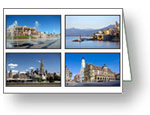
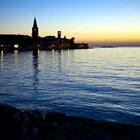
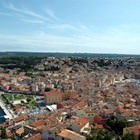
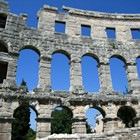
Colors of Istria in photos


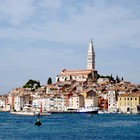
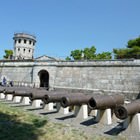
Search for popular touristic sites on Istria map
 Cityguide on traditions, mentality and lifestyle of people in Istria. Learn the best periods to visit Istria to discover its soul - authentic festivals, events and celebrations. We will also reveal the interesting habits, attitude towards the world and to tourists in Istria.