
 English
 Russian
 Nederlands
 Deutsch
 Español
 Français
 Türkçe


National traditions of Indonesia. Habits, mentality and the way of living
 More than 300 indigenous ethnic groups, including Javanese, Sundanese, Madura, and the others reside in the territory of Indonesia. The Chinese are the largest group of non-indigenous peoples. There are also many Indians and Arabs in the country. The majority of the population is Muslim. Mostly Hindus live in Bali. They make up about 2 % of the total population. There are also not many Christians in the country. Paganism is still practiced in some remote regions. Culture, traditions, and beliefs are very different in different regions of the country.
Vacation in any country is impossible without shopping today. No tourist will refuse to bring a souvenir or a memento from a trip to foreign …
Read further
Read further
The luxury hotels in Indonesia, deserving attention of the most discerning traveler.
Read further
Read further
 The mentality, traditions, and customs of the inhabitants of different regions differ significantly due to their ethnic and religious diversity. Most of the population of Bali is Hindu. The caste system is still in use here. This is a simplified model of the Indian caste system. There are 4 castes: farmers (Sudra), merchants (vaishya), warriors (Kshatriya), and Brahmans. The division into castes is milder here than in India. This is due to the fact that the three upper castes are very small. In addition, there is no untouchable caste in Bali. The trace of caste remains in the names of Balinese. It is reflected in the dialects of the language. Members of different castes can marry.
The best hideaways for couples in love, as well as top hotels for wedding and honeymoon.
Read further
Read further
 The Minangkabau people are native to West and Central Sumatra. They partially converted to Islam. But they mostly remain pagans. Matriarchy is common in Minangkabau. The marriage proposal comes from the bride's family. The house belongs to a woman. Men only sometimes come there. Many of them stay overnight in a community house that is used as a temple and school.
There are many hotels that can impress the imagination with their amazing design in Indonesia. The Amandari hotel in Ubud in Bali looks like a …
Read further
Read further
 A slightly less strange tradition in Sulawesi is to place the bodies of the dead in small boxes in caves or in trees. Small wooden figures representing the deceased are placed near the burial place.
There are many luxury hotels that can satisfy the most discerning public in Indonesia. Amankila in Bali is a complex consisting of a multi-level pool, …
Read further
Read further
 There is a sad tradition in Papua. It consists of cutting off two phalanges of the fingers when a loved one dies. Men dress up as oxen, harness themselves to the plow, and walk through the streets in honor of the harvest festival in East Java.
This article about national traditions in Indonesia is protected by the copyright law. You can re-use the content, but only under the condition of placement of an active link to www.orangesmile.com.
Fantastic City Tours and Excursions in Indonesia
Reference information
Map of all churches

Cathedrals and basilicas in Indonesia
♥ Katedral Kristus Raja, Kupang. On the map
 Photos

♥ Katedral Roh Kudus, Weetebula. On the map
Photos
♥ Katedral Santa Maria Imakulata, Atambua. On the map
Photos
♥ Gereja Katedral Kristus Raja, Ende. On the map
Photos
♥ Katedral Roh Kudus, Denpasar. On the map
Photos
♥ Katedral Santo Fransiskus Xaverius, Merauke. On the map
Photos
♥ Katedral Reinha Rosari, Larantuka. On the map
Photos
Country maps

Car rental on OrangeSmile.com

Map of cities


Map of sights


Famous sites of Indonesia in pictures


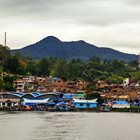
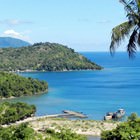

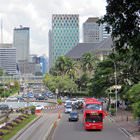

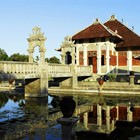


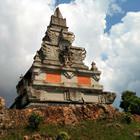

Unique traditions in cities of Indonesia

Jakarta
Locals are tolerant, but there are still some rules that should be observed. Therefore, to get in good with these people, it is strongly recommended that you know them better. Locals are quite curious, they are really interested in how others live in foreign countries but likely to hesitate to ask about it. But if you take the initiative and tell them about it, they will be delighted by the chance to "touch" a different culture. After the conversation goes a bit further, the locals will open … Read more 

Bandung
Even the legal spouses mustn’t walk holding hands in the streets of the city. Showing personal feelings in any way is prohibited because this can be interpreted incorrectly and can cause confusion among the locals. When you communicate with the local residents, make sure you don’t accompany your speech with disparaging gestures and do not point a finger at someone. Such behavior will be considered as a sign of contempt. Local residents have already got accustomed to a large number of … Read more

Surabaya
For example, locals consider touching the head to be one of the greatest insults. This rule of conduct is related to people of all ages, so don’t pet children in a way that may be common in many other countries. According to local tradition, the left hand is considered wicked, so all the important steps and gestures have to be made with the right hand. It is prohibited to pass money and food with your left hand, as well as to touch your companion; it can cause resentment of natives. … Read more

Denpasar
One of the main distinguishing features of the modern city is heavy traffic. One can travel around its territory by car freely only at night because in the daytime the traffic literally stops. That is why many travelers prefer to walk on foot, slowly exploring picturesque streets. An interesting form of local transport is horse-drawn dogcarts, by which you reach any part of the city. Quite recently, they were real traffic participants, but today they have lost their important status and … Read more

Bali
When you attend a restaurant or visit a house of a local resident, make sure you do not sit with your legs crossed. This position is considered a sign of secrecy, mistrust and disrespect. In general, the people of Bali are very cordial and friendly. They are happy to help tourists to get to the local places of interest and will actively support a conversation on any subject. There are not so many forbidden themes for talking. You shouldn’t start a discussion concerning the prevailing … Read more

Java
Despite dramatic changes that have occurred to the island during last hundred years, thriving national crafts are still there. Java produces great arm blanche, which is appreciated by collectors and hunters from around the world. There are also craftsmen who make incredibly beautiful items of precious metals; Javanese art and jewelry is handed down from generation to generation. The most mixed city of the island is Jakarta; this is where you can experience all aspects of the local culture and … Read more

Sumatra
Due to religious traditions locals don't eat pork, so it is extremely difficult to find pork dishes on the island. Locals have very warm and hospitable attitude towards tourists from distant lands. Indigenous people are always happy to help, so you can always ask how to get to attractions of interest. The main condition for successful communication with indigenous population is polite behavior. Before you ask for help, be sure to say hello and to thank for any service. You have to be very … Read more

Sulawesi Island
Alive people treat the dead ones, as if they didn’t pass away, but are just sleeping. They bring them food and water, and a newspaper. They even leave a chamber pot. It is natural here to talk, greet and say goodbye to those, who are already dead. A body, filled with formaldehyde, stays in a translucent coffin in a house, where he lived before. There are two reasons for that: first, there is an unwillingness to let deceased go, until the grief goes down. The deceased is considered to be ill … Read more