
 English
 Russian
 Dutch
Dutch German
 Spanish
 French
 Türkçe


Culture of Hiroshima. Places to visit - old town, temples, theaters, museums and palaces
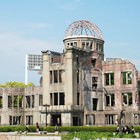
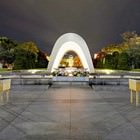
 Hiroshima Peace Memorial Park is the main attraction of Hiroshima known far beyond the city. Its area is about 120 square kilometers. There are several important cultural sites at the park. The Hiroshima Peace Memorial Museum is among them; it introduces the most important events in the history of the city. Many exhibits tell the history of the tragic bombing and show its massive consequences.
You can diversify the rest in Hiroshima visiting beautiful parks and exciting entertainment facilities. The city certainly impresses those who prefer to spend a lot of time in the open air. …  Open
Open
Open
1. Holiday-makers should take into account that tipping isn’t accepted at local restaurants and other leisure centers. The service charge is usually included in the total score and … Open
Open
 Another interesting church of the 14th century is Fudoin Temple; it is one of the few sanctuaries that have survived the bombing. The bell tower and the gate of the temple have survived in their original form; now they are of great cultural value. The Hiroshima Museum of Art invites tourists to distract from the tragic history of the city and enjoy the beauty of exquisite paintings. Its collection includes works by famous Oriental and European painters. The Hiroshima City Museum of Contemporary Art also has a great collection of paintings. The museum is located on a high hill with a panoramic view of the city.
City tours, excursions and tickets in Hiroshima and surroundings
This guide to cultural sights Hiroshima is protected by the copyright law. You can re-publish this content with mandatory attribution: direct and active hyperlink to www.orangesmile.com.
Iconic cultural sights of Japan
 A colossal monument of Japan’s cultural heritage is a bronze statue of the Great Buddha of Kamakura. The statue is 13 meters in height, and weighs 93 tons. It was erected in the middle of the 13th century and initially stood in a small wooden Buddhist temple. After the temple was destroyed by a tsunami wave in the 15th century, the Buddha statue was taken to an open square. Fans of palace-park complexes should visit the Imperial Palaces in Tokyo and Kyoto. The former still serves as the residence of the emperor of Japan, with some of its rooms and territories used as a museum. The palace stands on the ruins of an old castle which was burnt in a fire. The new building is surrounded by typical Japanese gardens and contains many majestic halls which are open for tourists to visit.
… Open
A colossal monument of Japan’s cultural heritage is a bronze statue of the Great Buddha of Kamakura. The statue is 13 meters in height, and weighs 93 tons. It was erected in the middle of the 13th century and initially stood in a small wooden Buddhist temple. After the temple was destroyed by a tsunami wave in the 15th century, the Buddha statue was taken to an open square. Fans of palace-park complexes should visit the Imperial Palaces in Tokyo and Kyoto. The former still serves as the residence of the emperor of Japan, with some of its rooms and territories used as a museum. The palace stands on the ruins of an old castle which was burnt in a fire. The new building is surrounded by typical Japanese gardens and contains many majestic halls which are open for tourists to visit.
… Open



Photogallery of cultural heritage of Hiroshima



Landmarks of culture on Hiroshima map: art-galleries, monuments, palaces, etc
 Culture guide to Hiroshima. Which fascinating sights to visit once you are in Hiroshima: temples, churches, museums, theaters and castles. Recommendations (with addresses, phone numbers and links) on the places 'must visit' in Hiroshima. Plan your own city excursion by using this page info!