 English
 Russian
 Nederlands
 Deutsch
 Español
 Français
 Türkçe


National traditions of Haiti. Habits, mentality and the way of living
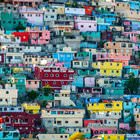
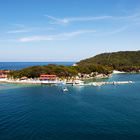
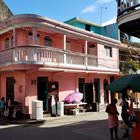
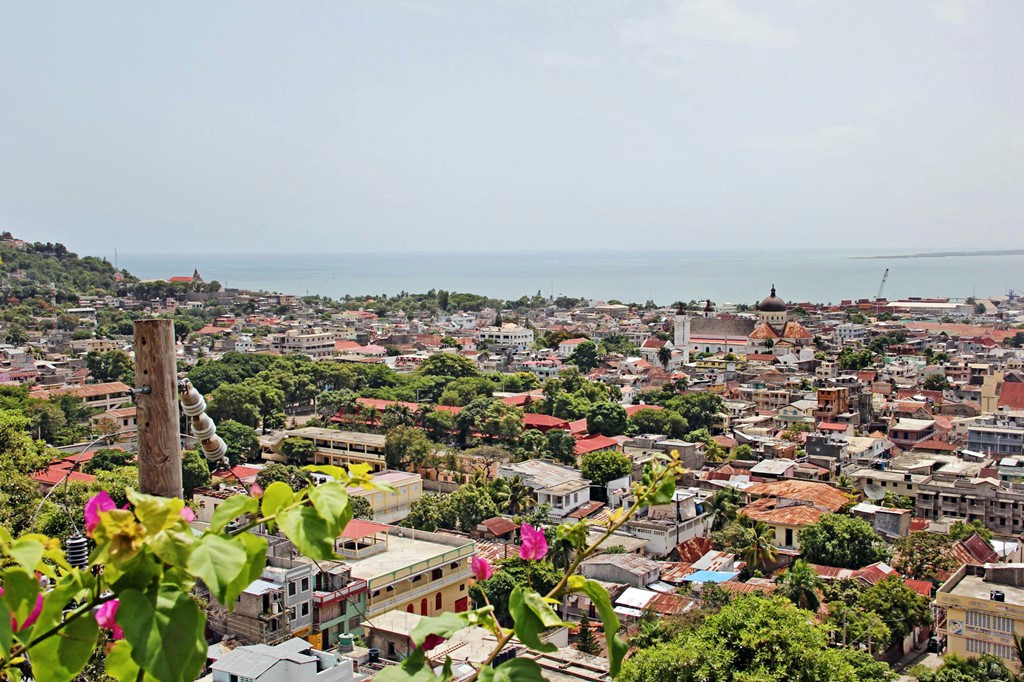
 Haiti is an island country in the Caribbean region that is situated close to the Dominican Republic on the same Hispaniola Island. The country is located to the south of Cuba. The tropical climate has created ideal conditions for beach recreation. The Dominican Republic has become a successful and developing tourist destination but Haiti somehow lags behind. That being said, there are cities suitable for tourists in Haiti. These are Les Cayes, Pétionville, Cap-Haitien, and Gonaives. There are many thrilling stories about poverty in Haiti and about the savage traditions of local people. It is true that the country is very poor but the stories about barbaric traditions are greatly exaggerated. Yes, Haiti is not the safest country in the world but there are many significantly more dangerous places where tourists shouldn’t even show up. Haitians are generally friendly with foreign tourists.
Price can be one of the main decision-making factors when choosing a vacation destination, In Haiti, travelers can find hotels of different price …
Read further
Read further
Not everyone is brave enough to visit Haiti, so travelers who do this have an opportunity to purchase items and souvenirs that are not available …
Read further
Read further
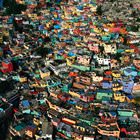
 People with some money on account are more likely to open a church than starting their own small business. For Haitians, it is better to donate some money to a church and have their sins forgiven than to buy some clothes or shoes. There are many unemployed people who don’t have a regular job, and so they survive as they can. There are different parties in Haiti, the government, opposition – in short, the country has a democratic system. That being said, there are no basic necessities like water pipelines in many parts of the country. Electricity is also a problem in Haiti. It is common to have electricity only two hours a day here. Some parts of the country are even worse – they have electricity only two days a week. Of course, such drastic conditions do not apply to the tourist areas, but foreign guests should be aware of them.
The start of Haitian carnivals usually coincides with the start of Catholic Lent. Mardi Gras or Fat Tuesday is the traditional beginning of the …
Read further
Read further
 Dajabon, a city in the Dominican Republic close to the border with Haiti, has a large market that works on Fridays. Many Haitians visit this market. Some come to buy something, and some people come to empty pockets of uncaring visitors. The market is open in the territory of the Dominican Republic. River Dajabon separates the two countries, and the bridge over the river is the crossing point. Haitians do not need either passport or visa to cross the border. They can go freely whenever they want even though the territory of the market has a high fence to prevent the illegal border crossing.
The start of Haitian carnivals usually coincides with the start of Catholic Lent. Mardi Gras or Fat Tuesday is the traditional beginning of the …
Read further
Read further
 Even though the danger of cholera epidemic appeared many years ago, after the earthquake that happened in 2010, the disease is under control these days. That is why it is so important to pay attention to the water that you drink. People, who can afford drinking bottled water, buy it. Everyone else hopes for the best. It is also not safe to swim in water basins because there is a risk of catching a disease. The immune systems of foreign guests are not used to such conditions, so a simple mosquito bite might be dangerous for unprepared tourists. That being said, there is an opinion that the problem of cholera is exaggerated in Haiti because it is profitable for some people. However, tourists are recommended to drink bottled water only.
This article about national traditions in Haiti is protected by the copyright law. You can re-use the content, but only under the condition of placement of an active link to www.orangesmile.com.
Reference information
Map of all churches

Cathedrals and basilicas in Haiti
♥ Co-cathédrale Saint Jean-Baptiste, Miragoâne. On the map
 Photos

♥ Cathédrale Sainte-Anne, Anse-à-Veau. On the map
Photos
♥ Pro-cathédrale Notre-Dame de l’Assomption, Port-au-Prince. On the map
Photos
♥ Cathédrale Saint-Louis Roi de France, Jérémie. On the map
Photos
♥ Cathédrale Immaculée Conception, Hinche. On the map
Photos
♥ Cathédrale Saint-Joseph, Fort-Liberté. On the map
Photos
♥ Cathédrale Notre-Dame de l’Assomption, Cap-Haïtien. On the map
Photos
Country maps

Car rental on OrangeSmile.com

Famous sites of Haiti in pictures