
 English
 Russian
 Dutch
Dutch German
 Spanish
 French
 Türkçe


Culture of Famagusta. Places to visit - old town, temples, theaters, museums and palaces
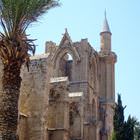
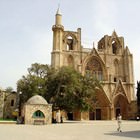
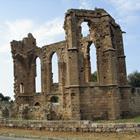
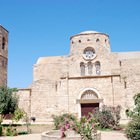
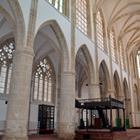
 The seaport fortress city of Famagusta features an abundance of historical and architectural monuments, which are of great interest for curious tourists. The most beautiful and interesting attraction is Lala Mustafa Pasha Mosque, the former Saint Nicolas Cathedral. Construction of the cathedral took place at the turn of the 13th-14th centuries. The great Gothic structure is considered one of the most beautiful on the island even nowadays.
Famagusta is famous because of its wonderful beaches. The biggest and the most upscale resorts of the area are Ayia Napa and Protaras. Several excellent beaches are also located around the …  Open
Open
Open
Famagusta has lots of attractive hotels and inns of very different categories to offer. The most popular resort hotels of the area are situated in Aiya Napa. Fans of beach vacations should … Open
Open
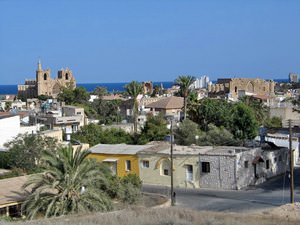 Close to the Mustafa Pasha Mosque there is the old post office building built in the 17th century. Once upon a time the building housed a Muslim religious school; lines of the Qur'an carved over the entrance remind about those distant times. The Giovanni Riviera palace named after the famous Venetian governor is noteworthy too. Until now, the only portal with governor’s coat of arms has managed to survive. In the southern part of the city Jambulat Bastion is located; this historic building is converted into the museum. Among its exhibits there are unique historical documents, ceramics, military items and weapons.
City tours, excursions and tickets in Famagusta and surroundings
This guide to cultural sights Famagusta is protected by the copyright law. You can re-publish this content with mandatory attribution: direct and active hyperlink to www.orangesmile.com.
Unique spots in Famagusta and near
Choirokoitia
From the series “Remains of the First Ancient Cities”
Check on the map:  Distance from Famagusta center - 66.2 km.
You can see the ruins of the Neolithic settlement of Choirokoitia in the vicinity of the city of Larnaca in Cyprus. It was formed in the 7th Millennium BC. The settlement lasted for more than 3,000 years. The unique archaeological area was discovered about a hundred years ago. It was recognized as a World Heritage Site in 1998. It was found out in the course of numerous studies that a stone wall of impressive size surrounded the territory of the settlement. Its height was 3 meters, and its thickness was about 2.5 meters. …
Read further Distance from Famagusta center - 66.2 km.


Photogallery of cultural heritage of Famagusta


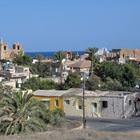
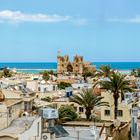
Landmarks of culture on Famagusta map: art-galleries, monuments, palaces, etc
 Culture guide to Famagusta. Which fascinating sights to visit once you are in Famagusta: temples, churches, museums, theaters and castles. Recommendations (with addresses, phone numbers and links) on the places 'must visit' in Famagusta. Plan your own city excursion by using this page info!